
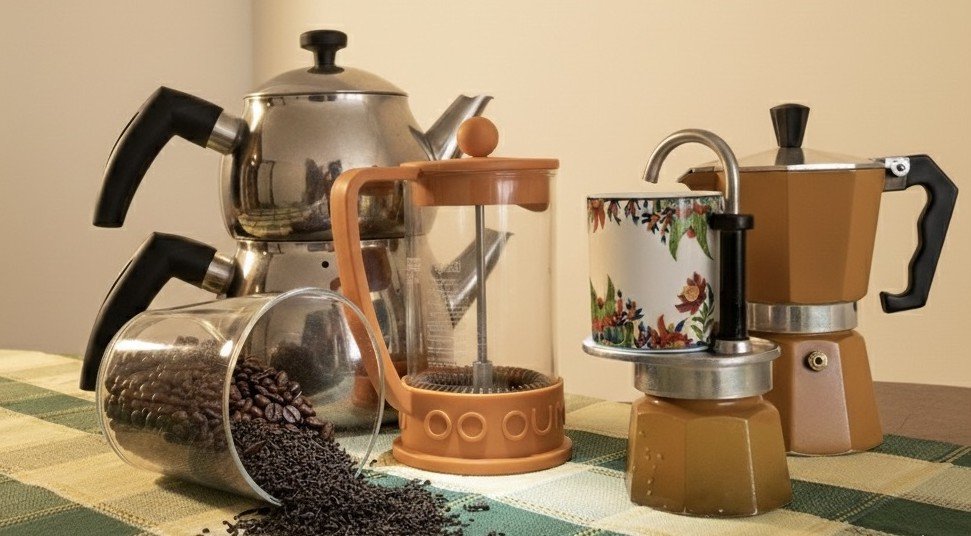


1. Turkey, full of tea addicts
As I’ve already mentioned on this site, it’s not all about tech, but I like to make space for coffee breaks and anything else that catches my eye now and then.
And what better way to start than with an article fully dedicated to my coffee reality? 😊
The other day, I came across a fascinating podcast from The Guardian that explores various aspects of coffee in a historical context, tracing how it spread around the world.
I can say that I truly discovered coffee and all its variety while living in Spain. Although there is a long-standing tradition of Turkish coffee, I wasn’t a big fan of any type until I settled here, especially after I began working.
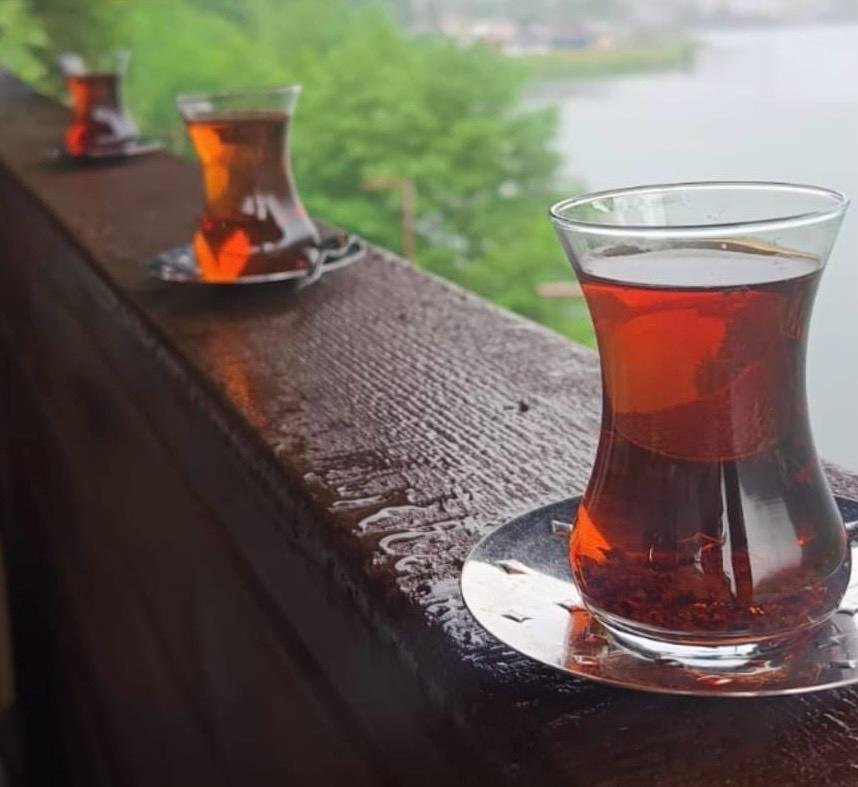
I used to enjoy drinking tea in Turkey, and it was more than just a beverage. It served an important social function, almost like a national symbol built around the rituals of preparing and drinking tea.
I don’t know when, how, or why I started drinking tea, but “pasha chai” is often served to curious kids trying it for the first time, usually under adult supervision. It’s basically regular tea diluted with cold water.
1.1. Beyond the beverage
Anyway, I don’t really care about when I first started drinking tea, but it’s definitely tied to beautiful memories of family, friends, and different phases of my life, like my university years.
Like in most cases traditional drinks come with a ceremony, that’s to say, the way it is prepared, the waiting time, type or quality of tea, how many cups to be taken a day, the best time of the day or season to consume it or health aspect and so long. Endless discussions about all these topics while waiting for a cup of tea or while drinking it.
Sometimes, it’s not just about the tea itself, but about its power to spark endless conversation and connection. There’s definitely something magical about it; especially when you think about its simplicity from an outside perspective. The preparation consists of just two ingredients: tea leaves and boiled water.
Yet, it’s almost incomprehensible that something so basic can be so deeply appreciated—and capable of transporting people on emotional or cultural journeys. Is it the magic carpet of Aladdin?
2. Coffee transition
Unfortunately, that glow faded away in me a long time ago. I’m not exactly sure when it happened, but now I notice there’s barely any room left for tea except when I visit countries where tea is widely embraced.
Now coffee has become part of my daily routine, and I can’t avoid it… Or maybe I just like it that way. It’s not a big deal, honestly. I’m content as long as I have at least two cups of coffee during the day.
Once my professional life began, tea no longer felt the same. I needed a drink that would give me the perfect jolt in the early morning. Honestly, I’ve never been a morning person; I’m far more active and energetic at night. That’s probably why a new friend called coffee made its way into my life. And culturally, Spain turned out to be the perfect spot for that transition.
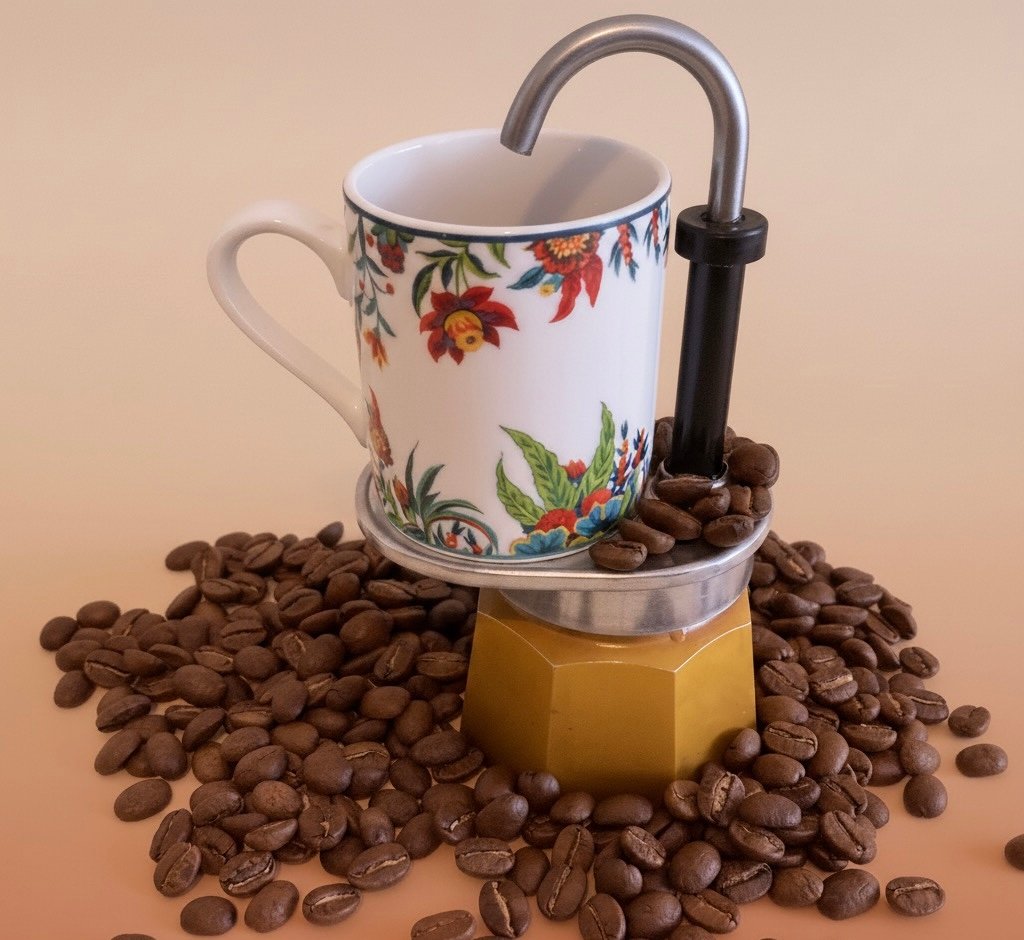
Coffee, which clears the clouds of the imagination and their gloomy weight, which illumines the reality of thing suddenly with the flash of truth.
Jules Michelet
3. Spain definitely runs on coffee
The ritual I mentioned around tea in Turkey—well, coffee has its own set of practices in Spain, too. Although it’s not a native plant, Spain’s coffee tradition likely draws influence from Arabic and Latin American cultures, given the plant’s origins. But let’s leave the historical details to historians or maybe even an AI tool.
The variety of coffee preparation in Spain is absolutely fabulous, and it becomes even more colorful depending on the city or region. When I observe modern coffee consumption in Spain, it’s so widespread that there’s no need to visit specialty cafés or artisanal coffee to enjoy a good cup. No fancy stuff is expected—but you still get to the heart of it. That’s what I like most.
4. Coffee moments in Madrid
One of the coffee moments I remember fondly from Spain, specifically in Madrid, was a local bar where we used to have our morning coffee with colleagues. I’d often engage in small talks with them early in the day, chatting about a little bit of everything and nothing in particular—and of course, everything revolved around coffee.
I remember that most of my colleagues would go for a café con leche, which, simply put, is Spain’s version of a latte: coffee with warm milk.
One of the best things was the guy who served us coffee. His name was Alex, and the fact that I remember his name so clearly after all this time says a lot about the connection we had: it was deeper than most people might imagine.
It was spectacular to watch him work. He prepared coffee quickly, but never at the expense of quality. In the early morning, our sleepy eyes would watch the magic unfold. They’d soon be wide open, thanks to his juggling of mugs, coffee prep, and movement behind the bar.
The show would come to an end just as we began sipping our coffee and our working day would officially begin.
5. Watch out! Do not trust every bar
That said, there are also places in Spain where they serve very average or even bad coffee. It’s not just once or twice we’ve had to leave our cups unfinished because of the taste 🙂
So, stay tuned! I’ll be exploring the local coffee scene and sharing my favorites, plus a few surprises, from around the city, along with other interesting topics.


Leave a Reply