
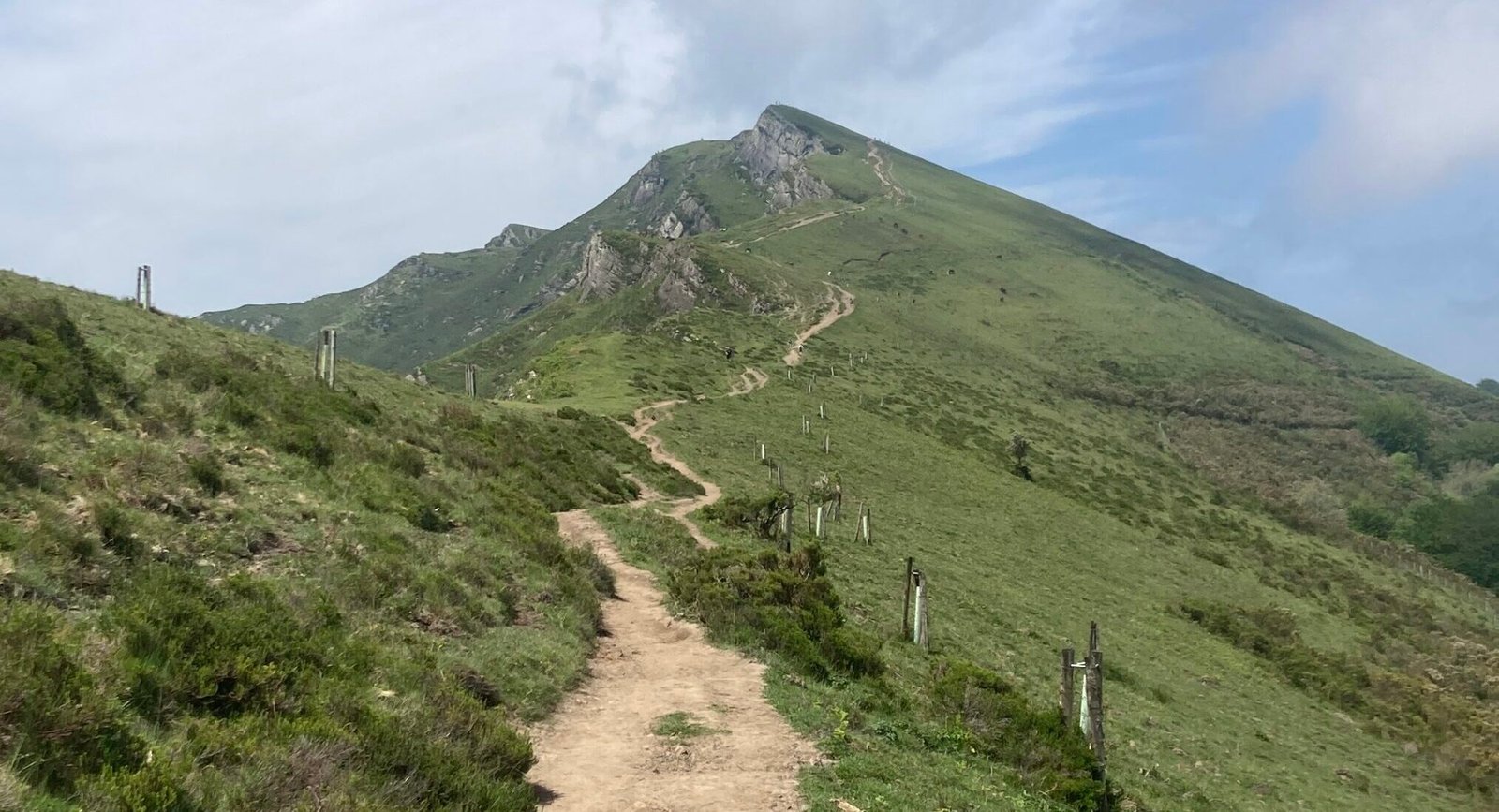


1. Can We Stay Motivated Forever?
I was about to finish a new article for my next publication, just needed to fine-tune and restructure a few sections. It was almost ready to post. However, I felt the need to switch topics.
Lately, I’ve been struggling to stay focused and keep my motivation high, both during and after work hours. I think this happens to most of us at times. We can’t maintain the same energy and motivation for the years in the same role.
This article helps me reflect on my relationship with work and how to balance personal and professional motivation, considering that we spend probably a third part or even more time of our days.
Any job has its own challenges—that’s a given—but over time, a common pattern emerges, we master what we do. From the most creative or talent-driven roles to complex problem-solving or highly dynamic situations, we practice continuously, eight to ten hours a day and learn along the way, until the process becomes automatic.
This is how I see the challenge of work, and it raises a sincere question: “Can We Stay Motivated Forever?”
Of course, there are some lucky people who wouldn’t say that about their job; they embrace each day as fresh even with years of experience. Let’s keep them out of this post. But if you are curious, go ahead and read the whole article. You’ll definitely find useful takeaways.
2. Taking risks
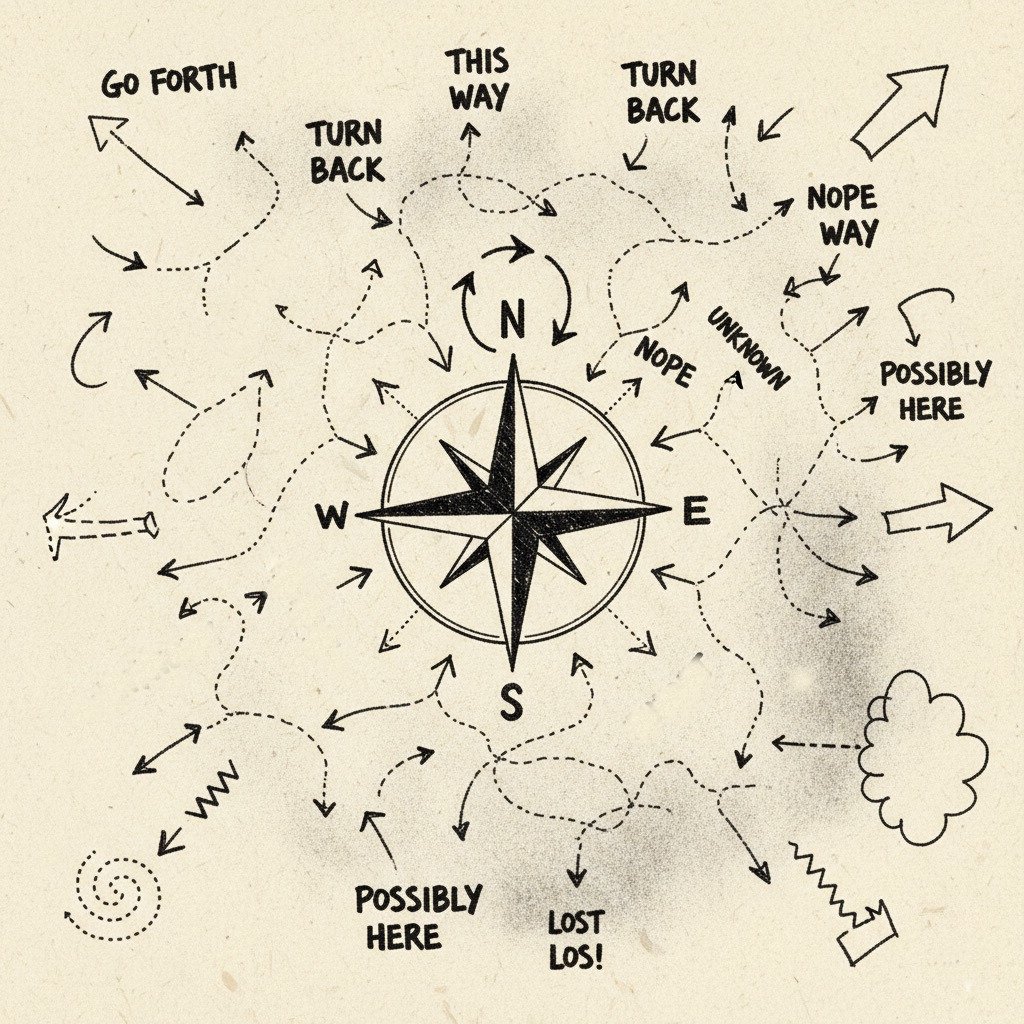
The easiest solution might seem obvious: if you’re no longer motivated at work or with an assignment, you’ll hear plenty of advice not just from close friends but also from countless social media campaigns telling you things like:
- Change your role within your current organization
- Find a new job at another company
- Become an entrepreneur and start your own business
2.1. Why Change Isn’t Always Simple at Work?
Let’s be realistic: even when we’re burned out, stressed, and less productive, we often stay in the same role because of uncertainty about the future and the risks involved in making a change. After all, embracing new challenges can come at a high cost.
- Learning Curve – The initial phase of adapting to new tasks, tools, or environments, which often requires extra effort and patience.
- Gaining Experience – Building skills and confidence through practice and exposure over time.
- High Competitiveness – Operating in an environment where performance and results are constantly compared, creating pressure to excel.
- Risk of Setback – Acknowledging that despite effort, outcomes may not always meet expectations and learning to manage that risk.
That’s why taking new paths and taking risks doesn’t feel like an easy choice for most people. Honestly, I’m not even so sure of the idea of saying, “Yes, find something that fully satisfies you. You can do anything you set your mind to”.
3. Motivation Type
We can turn these ideas into a more results-driven solution by using an analytical approach—such as quarterly or monthly metrics that measure our satisfaction levels.
A year ago, I attended a workshop where I learned two key concepts: intrinsic and extrinsic motivation.
Intrinsic motivation is about finding satisfaction in what you do. A friend of mine, a midwife, once told me she’d keep doing her job even without pay. That’s the purest example of internal motivation: you do it because you genuinely enjoy it, like a child at play.
I wish internal motivation were applicable to all of us, but the reality is that career choices vary widely:
- Some people have clear pursuit at an early age and choose their profession accordingly → strong internal motivation.
- Others pick a career that later disappoints → motivation declines.
- Some fall into roles by circumstance → risky, but motivation can emerge through exploration.

Regardless of the reason that has driven your career pursuit, over the years, even people’s intrinsic motivation is not expected to remain at the same level. We lose our strength like the wind that strikes hard against the mountain or the waves that slowly erode the rock.
4. Mitigating lack of motivation
As a regular work colleague, I also struggle with these problems myself and I try to take some actions. Sometimes they aren’t the best option in short term but the ones that suit me in best possible scenarios.
I may highlight one of them under a microscopic view to determine whether a short-term or long-term solution is available.
For instance, the same routine and regular work type—daily stand-ups, sprints, all agile ceremonies—with remote work and no social interaction at all is something that affects me negatively.
Once this flexibility seemed perfect to me, but now I consider it a threat to my social abilities, as I feel completely isolated from a physical work environment.
| 1. Does the company support me in this, offering me social events or trainings? | No |
| 2. Is a hybrid solution possible? | No |
| 3. Does the client offer any team events? | Yes, but it’s not enough to establish regular routines |
| 4. Is it possible to increase number of social coffee breaks? | Physical ones are limited, but online social breaks can still be arranged. |
| 5. Is this affecting my well-being? | Yes |
Solution:
Wisely, I’ll try to improve the situation, even though I can’t radically change things in one go.
Let’s imagine that, despite all those factors, we cannot resolve—or when the process becomes stuck or involves things beyond our control—what we could do is create some distance from work.
“Reflective moments are crucial. Being more peaceful and less critical of ourselves are essential foundations.”
5. A Major Pitfall
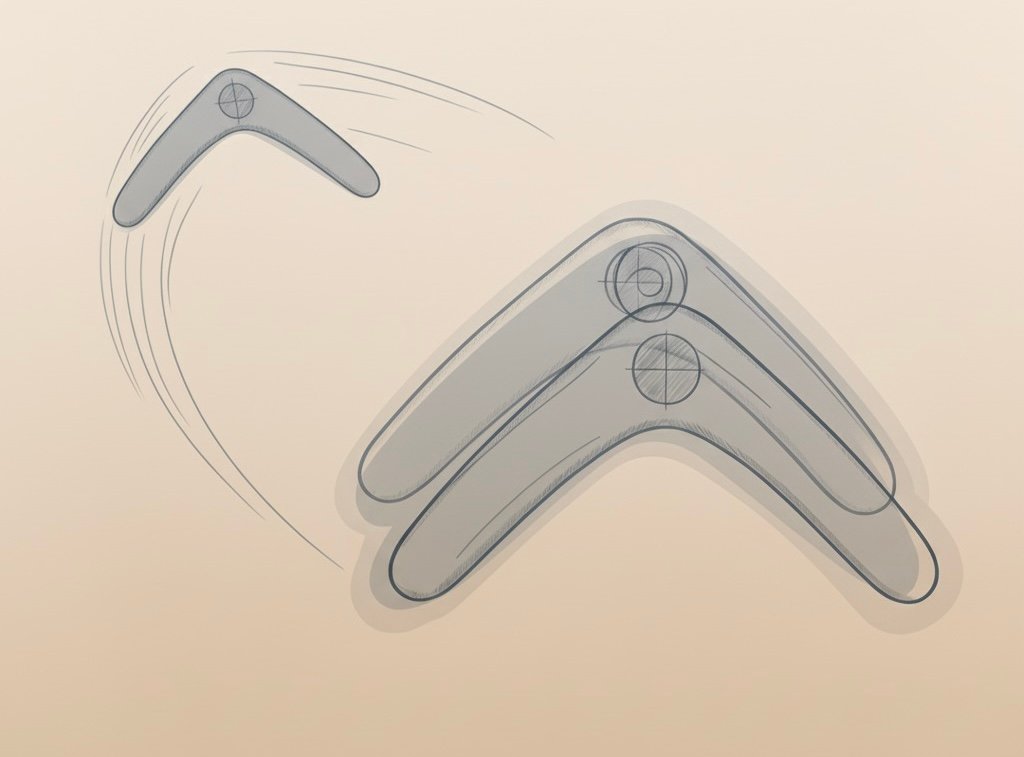
One of the simplest solutions is to stay motivated, not for recognition, but because doing your best is the surest way to feel good about yourself.
This can be hard to accept, especially when it feels like going against your principles. External pressures can be overwhelming, and at times you may feel tempted to retaliate against your company or colleagues. However, that only harms you and gradually erodes your motivation day by day:
I hope you find this post valuable. I’d love to hear your feedback and sincere comments to help broaden my growth and knowledge.
Leave a Reply